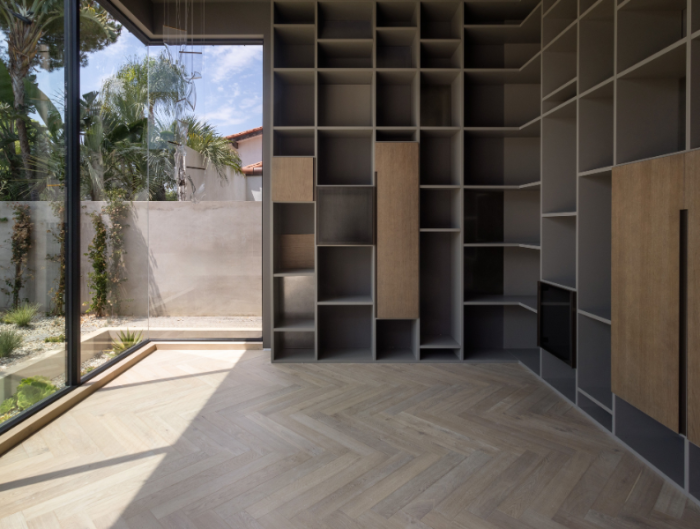
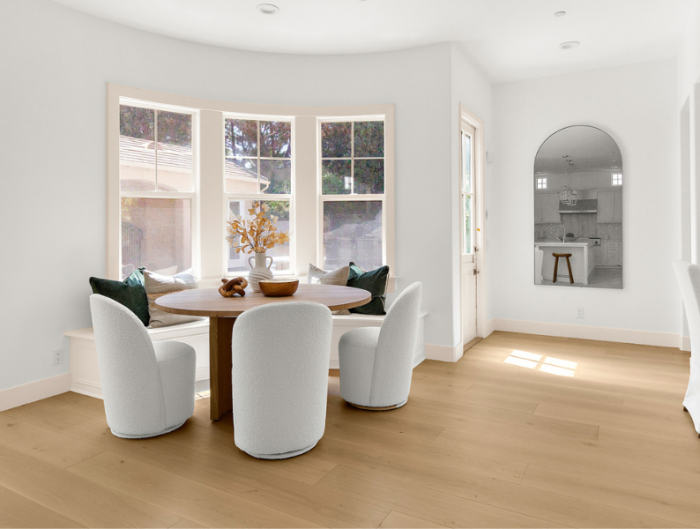
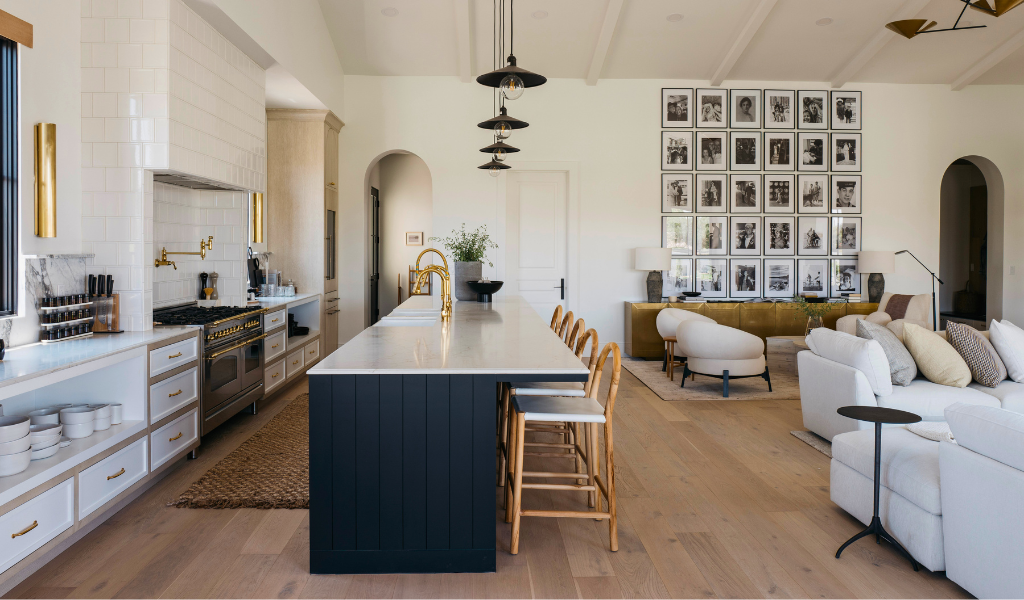
Modern interiors are more open, more connected, and more exposed to the realities of everyday living and flooring plays a bigger role in that balance than ever before. With many contemporary homes embracing open-concept layouts and expansive windows that bring in abundant natural light, choosing the right flooring solution often comes down to balancing performance with design.
Engineered hardwood flooring has evolved to meet that demand, combining authentic wood character with modern structural stability.
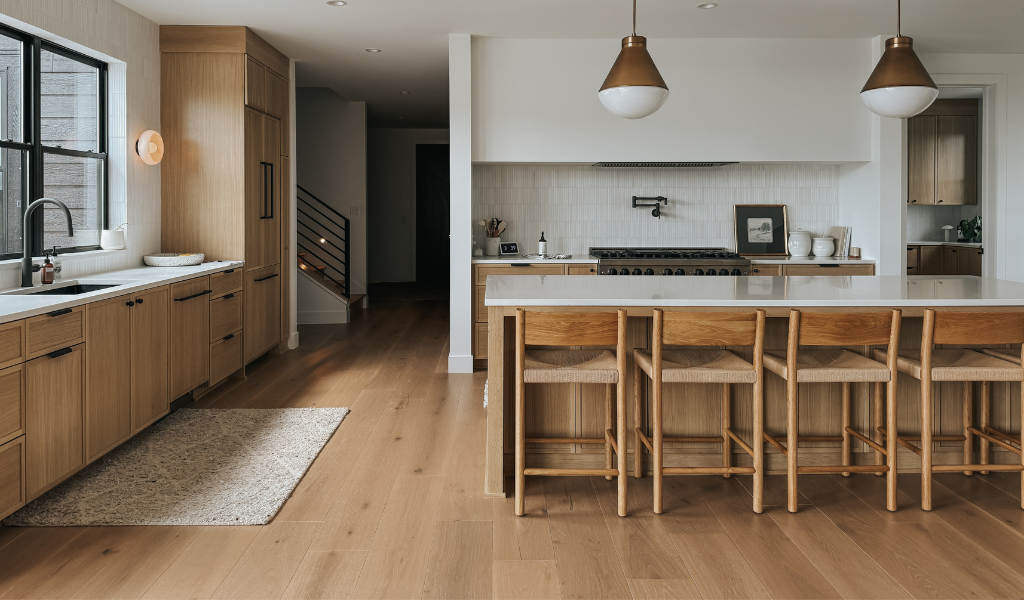
What is Engineered Hardwood Flooring?
Engineered hardwood flooring features a real hardwood veneer layered over a core of cross-ply wood layers. This construction delivers the look and feel of solid hardwood while offering greater dimensional stability, helping it resist warping, cupping, and seasonal movement.
Because of its layered structure, engineered hardwood flooring is suitable for a wide range of applications—from living rooms and kitchens to basements and spaces with radiant heating.
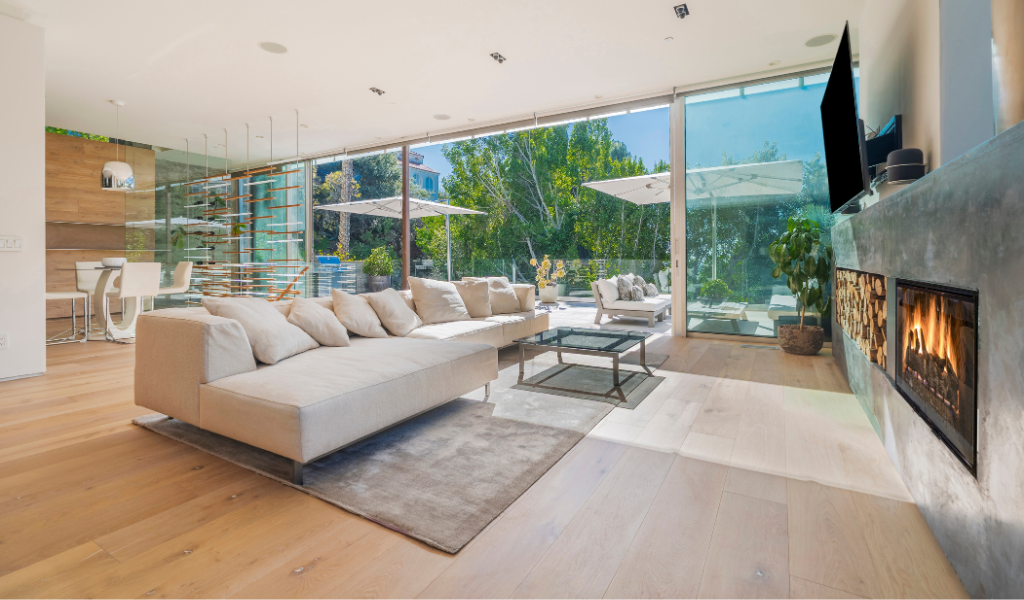
Benefits of Engineered Hardwood in Changing Home Environments
Modern homes place greater demands on flooring materials. Open-concept layouts, large glass windows and doors, and year-round climate control systems all contribute to fluctuating indoor conditions.
Engineered hardwood flooring is designed to perform in these environments. Its layered core helps minimize natural wood movement caused by changes in temperature and humidity, resulting in a more stable surface over time.
The result is a floor that maintains its structure more consistently, with reduced seasonal gaps or shifting. In open-plan homes where flooring flows continuously from room to room, this stability is essential for maintaining a clean, cohesive look.
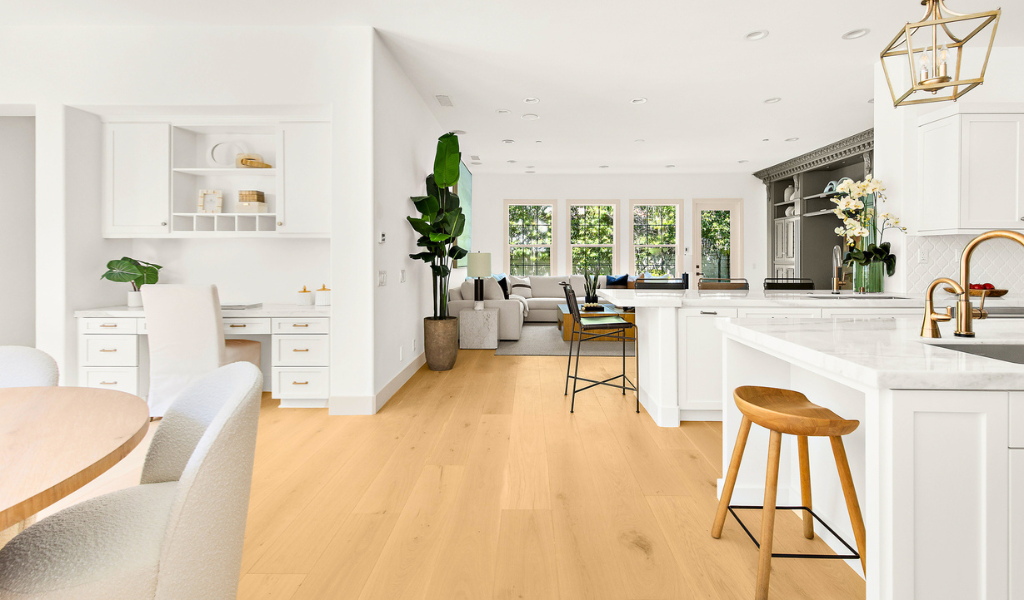
Engineered Hardwood vs Solid Hardwood for Wide Plank Flooring
As interior design trends continue to favor wider planks and minimal aesthetics, engineered hardwood flooring has become the preferred choice for large-format installations. Wider solid hardwood planks are more prone to movement as conditions change, which can lead to gaps or uneven surfaces over time. Engineered construction reduces this risk, making it better suited for wide plank applications.
The result is a more consistent visual surface, particularly in open-concept spaces where uninterrupted flooring enhances architectural flow and spatial continuity.
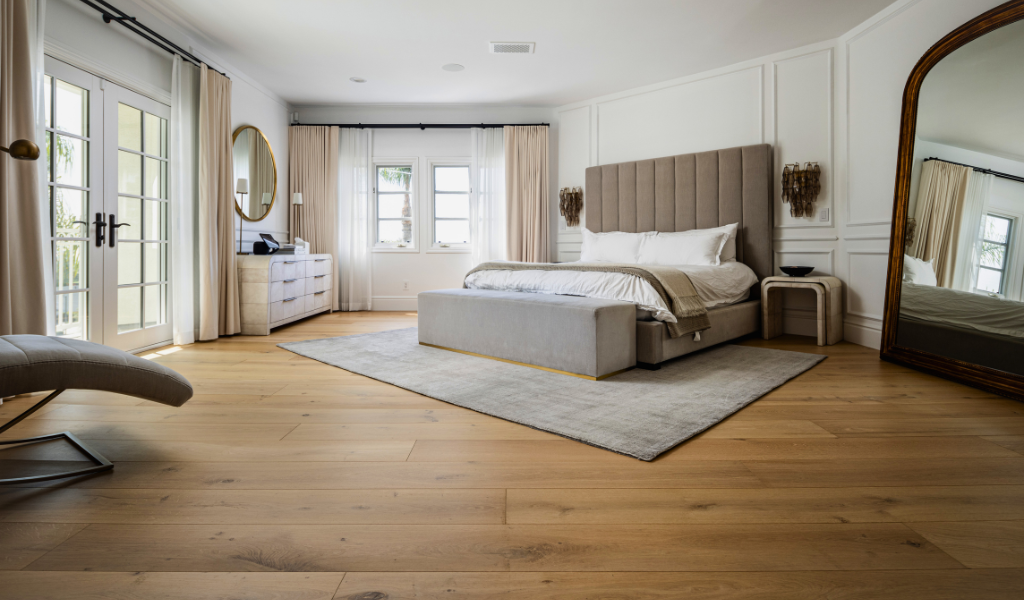
Why Engineered Hardwood Works for Modern Living
Engineered hardwood flooring is designed for everyday life. From active households and pets to entertaining and high-traffic areas, it offers a balance of durability and natural beauty that suits modern living.
Advanced protective finishes enhance surface durability, helping the floor resist everyday wear while preserving the character of real wood. This makes it a practical choice for homeowners who want both performance and design integrity.
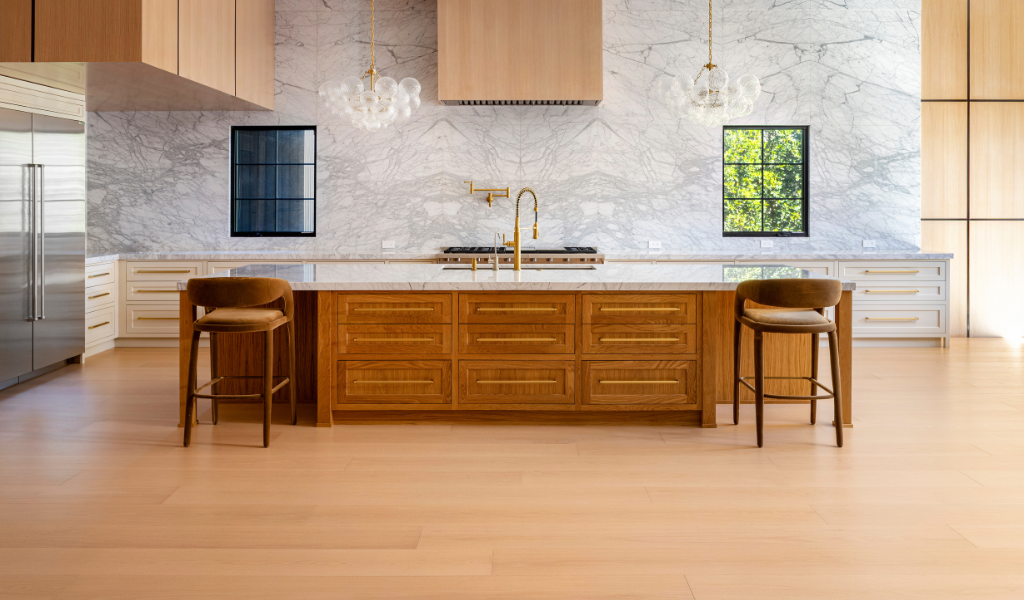
Installation Advantages of Engineered Hardwood Flooring
Engineered hardwood flooring can be installed in more locations than solid hardwood, including over concrete slabs, radiant heating systems, and below-grade spaces where traditional hardwood is often unsuitable.
Many products also feature floating systems, which can reduce installation time and increase flexibility across different project types. This versatility allows engineered hardwood flooring to be used consistently throughout the home, even in areas where solid wood would be limited.
Explore installation guides for each collection by clicking here.
Real Wood Flooring Without Compromise
Engineered hardwood flooring retains everything people value about real wood—natural grain variation, warmth, and authentic texture—while improving structural performance beneath the surface. Rather than replacing solid hardwood, it represents an evolution of it, designed for the realities of modern construction and contemporary living.
As homes continue to evolve toward larger, more open layouts, engineered hardwood flooring offers a solution that meets both aesthetic expectations and performance demands.